Payback First: Five Efficiency Upgrades Worth Prioritising in the 2026 Budget Cycle
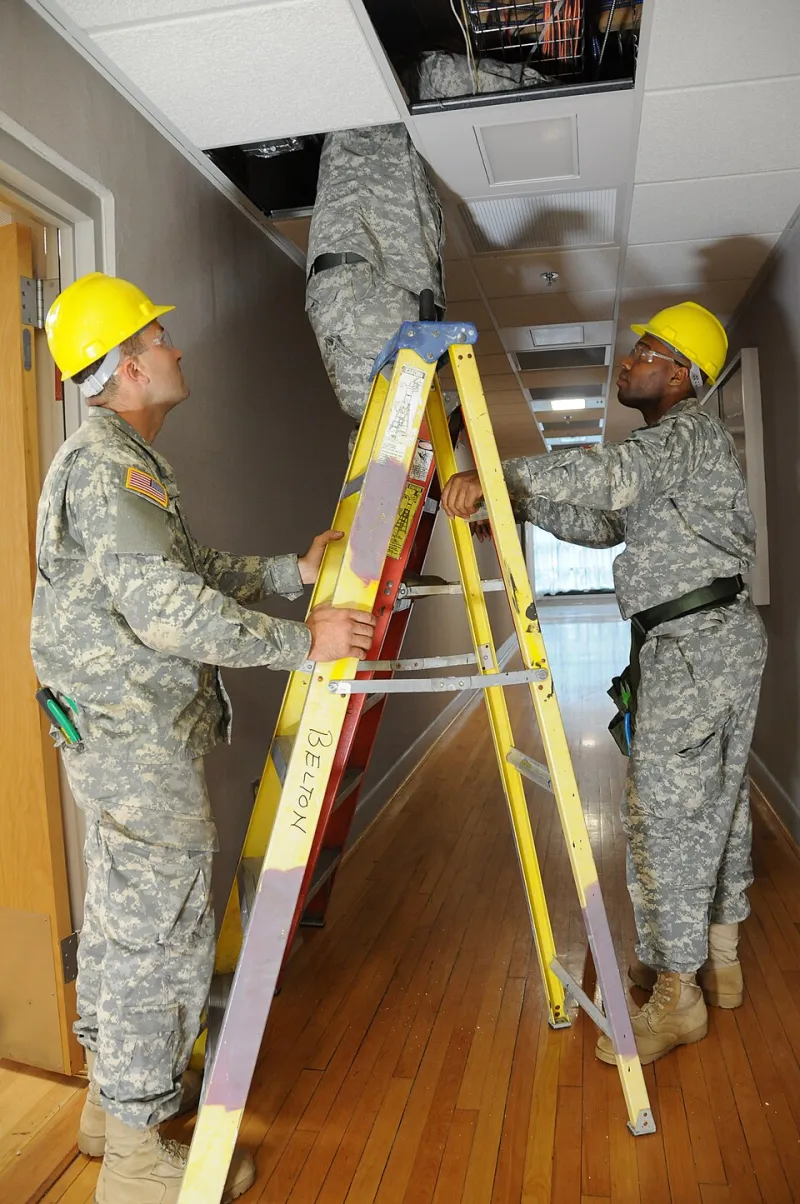
Photo: Staff Sgt. Shawn Morris, Public domain, via Wikimedia Commons
Efficiency spending has to compete with maintenance, recruitment and core investment. For many UK organisations in 2026, the practical question is not whether a measure is green or technically elegant, but how quickly it returns cash to the business. Simple payback is a blunt tool, yet it remains useful for screening projects when budgets are tight and decisions cannot wait for a full life-cycle appraisal.
The five measures below are ranked by typical simple payback for UK sites. The ranges are indicative, not quotations. Actual costs and savings depend on building fabric, fuel type, occupancy, hours of operation, regional labour rates and how well the measure is commissioned. Use the list to frame a shortlist, then verify with site data.
1. Heating controls and zoning
Typical payback: six to eighteen months. Indicative installed cost: £500 to £5,000 for basic controls; more where a building management system is extended. Typical saving: 8% to 20% of space-heating energy.
Heating controls often top the list because they are relatively cheap, minimally disruptive and act immediately on wasted heat. Time clocks that match occupancy, improved zoning, temperature set-backs in storage areas and locked setpoints can all reduce run hours. The critical word is commissioning: a control system that is installed but not configured to the building’s actual pattern will not deliver the expected return.
2. Pipework insulation and draught-proofing
Typical payback: six to twenty-four months. Indicative cost: £300 to £3,000 for a targeted programme. Typical saving: 5% to 15% of heating energy, with wider comfort benefits.
This is unglamorous work, but it is often the fastest route to reducing heat loss in older offices, workshops and warehouses. Insulating exposed heating pipework, hot-water cylinders and accessible ducts reduces standing losses, while draught-proofing doors and loading bays can make existing heating more effective. Materials must be appropriate to the environment, and fire safety requirements should be checked before work begins.
3. Compressed air leak detection and repair
Typical payback: three to eighteen months, where compressed air is used. Indicative cost: £1,000 to £10,000 depending on survey scope and repairs. Typical saving: 10% to 30% of compressed-air energy.
For manufacturers, workshops and food producers, compressed air is often a hidden cost. Leaks at joints, valves and couplings waste energy continuously, including outside production hours. A leak survey and repair programme can be low-cost and quick to implement, but it should be paired with routine maintenance so that savings do not erode. Sites without compressed air should skip this item and move to the next.
4. LED lighting retrofit
Typical payback: one to three years. Indicative cost: £3,000 to £50,000 depending on fitting count, controls and access. Typical saving: 40% to 70% of lighting energy.
LED upgrades remain a reliable performer, particularly in sites still running fluorescent or halogen fittings. Adding occupancy or daylight controls can improve the return, but controls add cost and need to suit the space. The payback range is wide because a simple lamp-for-lamp change is very different from a full redesign with new wiring and emergency lighting. Check product quality, warranty terms and disposal requirements for old fittings.
5. Voltage optimisation
Typical payback: two to five years. Indicative cost: £5,000 to £30,000. Typical saving: 5% to 12% of electricity, where the site is suitable.
Voltage optimisation can reduce energy use by managing the voltage supplied to equipment, but it is not a universal fix. A site survey should establish whether the building would benefit and whether sensitive equipment, existing power quality or future electrification plans make it unsuitable. The measure has a longer payback than the others on this list and should generally follow cheaper no-regret actions.
A simple framework for choosing
Start with a baseline. Use half-hourly data, sub-metering or at least twelve months of bills to estimate current consumption and cost. Then calculate simple payback as installed cost divided by annual saving. Include maintenance, downtime and any enabling works in the cost, and be conservative about savings.
Next, rank by confidence as well as payback. A measure with a nine-month payback and a well-understood saving may be a better first move than a theoretically faster project that depends on uncertain occupancy assumptions. Consider bundling low-cost measures so that the total package meets internal approval thresholds, and check whether any available support or tax treatment applies to the organisation.
Finally, verify after installation. Compare post-installation consumption with the baseline, adjust controls and fix defects. An efficiency upgrade that is not measured is difficult to defend in the next budget round. In 2026, with capital still expensive and energy costs volatile, the strongest business case is usually the one that returns cash quickly and can be shown to have done so.