The Catch-Up Invoice: Finding, Challenging and Preventing Backdated Energy Billing
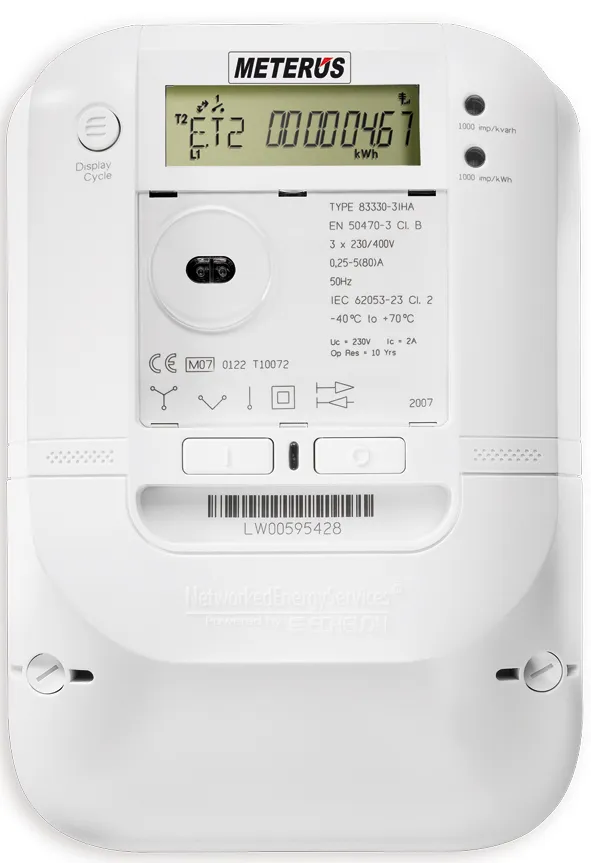
Photo: EVB Energy Ltd (no mention of the photographer required), CC BY-SA 3.0, via Wikimedia Commons
Estimated bills are a normal part of business energy supply. Meter access is not always possible, smart meter data does not always flow, and suppliers sometimes rely on estimates between actual readings. The cash-flow problem begins when those estimates drift far enough from reality that the next actual read triggers a catch-up invoice or a backdated adjustment.
For a UK business, the result can be a large, unbudgeted debit at the worst point in the quarter. The invoice may be technically valid, partly valid or simply wrong. The only way to know is to audit the trail from meter to bill. A 30-day review is enough to establish the facts, frame a challenge and put controls in place.
Why Estimated Bills Drift
Estimated readings are usually marked 'E' on the bill; actual readings are marked 'A'. A supplier may estimate because the meter was inaccessible, because a smart meter was not commissioned correctly, because a tenant changed, or because a meter exchange was not followed by a final read. Transposed digits, the wrong MPAN and a supply address mismatch can also create a false consumption history.
The problem is rarely a single estimate. It is a sequence of estimates that build an assumed consumption level, followed by an actual read that forces a correction. If the supplier then applies current or historical rates to the corrected volume, the adjustment can look like a sudden spike rather than the accumulation of small billing decisions.
Days 1 to 5: Build the Evidence File
Start by collecting 24 months of invoices, statements, contracts, meter reading records and correspondence. Include photographs of the meter where available, smart meter data exports and any half-hourly or automated meter reading reports. Create a simple timeline: supply start date, meter exchange dates, tariff changes, estimated reads, actual reads and every invoice that followed.
Record the MPAN, meter serial number, supply address and contract reference. Confirm that the invoice matches the supply you actually occupy. A surprising number of backdated adjustments begin with a supply address or MPAN error, not a meter fault.
Days 6 to 10: Reconcile Reads to Invoices
For each invoice, list the opening read, closing read, consumption and read type. Compare the closing read with the opening read on the next invoice. Look for gaps, repeated estimates, negative consumption and readings that fall below a previous actual read. If the supply has a smart meter or AMR, compare the billed volume with the available interval data.
Then test the estimate against reality. Compare the estimated period with the same period a year earlier, adjusted for any known change in operations. A moderate variance may be normal. A large, persistent variance over two or more quarters is a warning sign. If the business has sub-meters or tenant supplies, check whether consumption has been allocated to the wrong account.
Days 11 to 15: Quantify the Adjustment
Separate genuine consumption from billing error. Recalculate the adjustment using the correct meter reads, the correct tariff for each period and the correct VAT treatment. Do not accept a supplier's calculation simply because it appears on a statement. Ask for the read history and the rate history behind it.
Check whether the back-billing rules apply. For domestic and microbusiness supplies, Ofgem's back-billing rules generally prevent a supplier from charging for energy used more than 12 months before it became aware of a billing error, where the customer could not reasonably have known about the error. Eligibility depends on your supply status, so confirm it before relying on the protection. For larger businesses, the contract terms and the supplier's billing code will matter more.
Days 16 to 20: Challenge With a Clear Pack
Write to the supplier with a concise evidence pack: account number, MPAN, invoice numbers, meter reads, read dates, the calculation you dispute and the outcome you want. Attach the invoice trail and a one-page variance schedule. Ask for a written acknowledgment and a specific review date.
Continue paying the undisputed portion of the bill. Cancelling a direct debit or withholding all payment can damage your credit position and make the dispute harder to resolve. If the supplier does not resolve the issue, ask for a deadlock letter and escalate to the supplier's complaints process. For eligible microbusinesses, the Ombudsman Services may be able to review the complaint after the supplier has had a reasonable opportunity to respond.
Days 21 to 30: Recover and Prevent
Once the supplier accepts an error, confirm the credit note or revised invoice in writing. Check that the credit has actually been applied to the account, not merely promised. If the corrected amount is still large, negotiate a payment plan that fits your cash flow rather than accepting a default direct debit increase.
Prevention matters more than recovery. Set up a monthly meter read, even if the meter is smart, and submit it through the supplier portal. Confirm that smart meter data is flowing and that the supplier is using actual reads. Keep a calendar note for meter exchanges, tenancy changes and contract renewals. Ask the supplier to flag two consecutive estimated reads on your account.
A Simple 30-Day Audit Plan
| Days | Action | Output |
|---|---|---|
| 1 to 5 | Gather bills, contracts, reads and correspondence | Evidence file and timeline |
| 6 to 10 | Reconcile opening and closing reads against invoices | Variance schedule and error list |
| 11 to 15 | Recalculate the adjustment at correct rates and VAT | Quantified claim and back-billing check |
| 16 to 20 | Submit written challenge and evidence pack | Supplier acknowledgment and review date |
| 21 to 30 | Secure credit note, payment plan and read controls | Corrected account and prevention plan |
Red Flags Worth Acting On
Watch for two or more consecutive estimated invoices, a closing read lower than a previous actual read, a backdated tariff change without notice, a meter exchange without a final read, or a credit note that never reaches the account. Also check whether standing charges and capacity charges have been recalculated correctly; a volume correction can mask a separate fixed-charge error.
The Discipline That Pays
An estimated bill is not free credit. It is an accumulating liability. Treat meter data as a financial control, not an administrative chore. A monthly check of reads, invoices and variances takes less time than reconstructing a year of billing after a catch-up invoice arrives. For ExEnergy readers, the cost-management lesson is simple: the meter may move without you, but the billing trail should never be a surprise.